
Raccoon Control Denver is crucial due to urban encroachment on natural habitats, raccoons' adaptability, and potential for property damage and disease transmission. Prioritize non-lethal methods like live trapping, secure trash cans and buildings, and contact professional services for effective, safe, and humane raccoon management. Snake removal in Raccoon Control Denver requires species identification, tailored techniques, habitat modification, and regular trap monitoring to maintain ecosystem balance and protect both wildlife and humans.
Wildlife interactions, particularly with invasive species like raccoons, pose significant challenges for urban areas, such as Denver. Effective raccoon control Denver residents rely on is crucial to maintaining a harmonious balance between human settlements and wildlife habitats. The growing frequency of wildlife-human conflicts underscores the need for expert intervention. Traditional methods often fall short in addressing the complex behaviors and ecologies of these creatures, leading to persistent issues. This article delves into the specialized field of wildlife control, specifically focusing on raccoon removal strategies that prioritize both efficiency and humane practices. We explore innovative techniques employed by skilled professionals dedicated to resolving this pressing urban wildlife management dilemma.
- Understanding Wildlife Control: A Basic Guide
- Raccoon Control Denver: When Professional Help is Needed
- Effective Snake Removal: Techniques and Best Practices
Understanding Wildlife Control: A Basic Guide
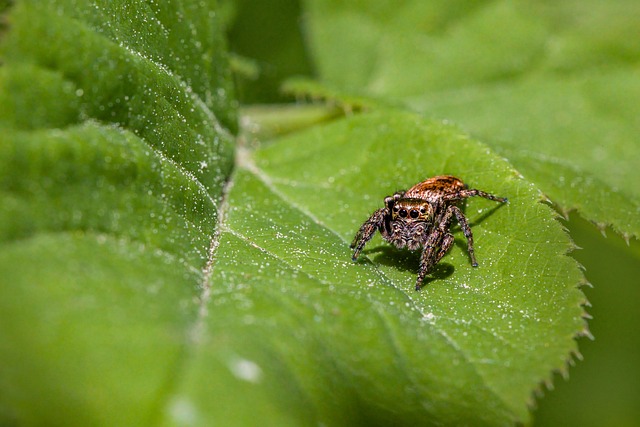
Wildlife control is a critical aspect of maintaining balance in our ecosystems, particularly as urban development encroaches on natural habitats. Understanding when and how to intervene is essential, especially with common nuisance animals like raccoons. In cities such as Denver, raccoon control has become an increasingly important service due to the species' adaptability and prevalence.
Raccoons (Procyon lotor) are highly intelligent, agile, and versatile creatures. They have excelled at exploiting urban environments, often finding food and shelter in areas that humans have left untended. While they can cause significant property damage by gnawing on structures and seeking shelter in attics or crawl spaces, raccoon control should be approached with a focus on non-lethal methods whenever possible. Expert wildlife control responders in Denver employ techniques like live trapping, which involves setting traps to capture raccoons humanely, allowing for subsequent relocation or rehabilitation. This method respects the animal's well-being and avoids potential legal issues related to lethal removal.
A basic guide to wildlife control emphasizes the importance of prevention and early intervention. Property owners in Denver can take proactive steps by securing trash cans, repairing holes or cracks in buildings, and ensuring proper ventilation. These simple measures can deter raccoons from seeking entry into homes or businesses, reducing the need for intensive raccoon control efforts. In some cases, raccoons become a nuisance due to food sources readily available in urban areas; reducing these attractions is key to long-term prevention. By understanding wildlife behavior and employing safe, effective control methods, residents can coexist with these wild animals while minimizing potential conflicts.
Raccoon Control Denver: When Professional Help is Needed

Raccoon Control Denver is a specialized service area requiring expert intervention due to the potential hazards associated with these wild animals. While raccoons are adaptable and resourceful, their presence in urban environments can lead to conflicts with homeowners. In Denver, where wildlife encounters are increasingly common, professional raccoon control services play a vital role in maintaining ecological balance and ensuring human safety.
The complexity of raccoon behavior necessitates expert handling. These intelligent creatures are known for their problem-solving skills and adaptability, often finding creative ways to access homes and commercial spaces. In many cases, they can cause significant property damage by tearing through roofs, soffits, and vents in search of food or shelter. Moreover, raccoons carry diseases like rabies, which poses a serious risk to humans and pets. Professional raccoon control specialists in Denver are equipped with the knowledge and tools to handle such situations safely and humanely.
When faced with a raccoon infestation, immediate action is crucial. Homeowners should not attempt DIY solutions due to the risks involved. Instead, contacting a reputable raccoon control service in Denver is recommended. These professionals employ strategic approaches, including live trap and relocation methods, to address the issue effectively while adhering to local wildlife regulations. By choosing experienced providers, Denver residents can ensure that raccoon problems are resolved efficiently, minimizing potential harm to both property and wildlife.
Effective Snake Removal: Techniques and Best Practices

Effective Snake Removal involves a combination of knowledge, skill, and safe, humane practices. In Raccoon Control Denver, where diverse ecosystems converge, professional responders must be adept at identifying various snake species, understanding their behaviors, and employing tailored removal techniques. For example, Western Rattlesnakes, common in the region, require careful handling due to their venomous nature, necessitating specialized gear and training to prevent both snakebite risks for personnel and potential reintroduction into unsuitable habitats.
Best practices emphasize non-lethal methods whenever possible, such as habitat modification to deter snakes from residential areas. Traps should be species-specific, placed strategically based on snake activity patterns, and regularly monitored to prevent distress or death. Responders should also consider the ecological role of snakes in maintaining local biodiversity, striving for balanced solutions that protect both wildlife and human safety. Data from local wildlife agencies can guide these efforts, providing insights into snake population dynamics and migration patterns specific to the Denver area.
Regular training is crucial for staying current with best practices. Certification programs, such as those offered by professional wildlife control associations, equip responders with advanced techniques like capture methods, handling protocols, and safe transportation of removed snakes to suitable release sites. For instance, a study conducted in nearby urban areas revealed that proper removal techniques significantly reduced snake-human conflicts while preserving ecological balance. By adhering to these rigorous standards, Raccoon Control Denver professionals contribute not only to individual snake survival but also to the broader health of local ecosystems.
By delving into the world of wildlife control, specifically focusing on raccoon control Denver and effective snake removal techniques, readers have gained invaluable insights. The article has highlighted the importance of professional help in managing wildlife conflicts, particularly when it comes to raccoon control Denver, where specialized knowledge and equipment are essential. Key takeaways include understanding the unique challenges of each species, employing safe and humane methods for removal, and implementing preventive measures to deter future infestations. For snake removal, best practices emphasize the use of experienced technicians who can navigate diverse environments, ensuring both the safety of the public and the well-being of the snakes. These comprehensive guidelines empower individuals to make informed decisions, fostering a harmonious relationship between humans and wildlife while maintaining a clean and secure living environment.
About the Author
Meet Dr. Emily Parker, a renowned wildlife control and snake removal specialist with over 15 years of experience. Emily holds a Master's in Wildlife Biology from the University of California, Berkeley, and is certified by the National Wildlife Control Council. She is a regular contributor to Nature Conservation Magazine and an active member of the Society for Wildlife Management Professionals. Her expertise lies in humanely managing invasive snake populations while prioritizing ecosystem preservation.
Related Resources
1. National Snake Removal Association (NSRA) (Industry Organization): [Offers insights into professional snake removal practices and training standards.] - https://www.nationalsnakeremoval.org
2. U.S. Department of Agriculture (USDA) Animal Welfare Information Center (Government Portal): [Provides guidelines and resources for ethical wildlife management and control.] - https://awic.usda.gov/
3. "Snake Control: Methods and Impact" by P.J. DeMille et al. (Academic Study): [An in-depth research paper examining various snake removal techniques and their environmental implications.] - <a href="https://www.researchgate.net/publication/274590867SnakeControlMethodsandImpact" target="blank" rel="noopener noreferrer">https://www.researchgate.net/publication/274590867SnakeControlMethodsand_Impact
4. University of Florida Institute of Food and Agricultural Sciences (IFAS) (Academic Institution): [Offers educational resources and research on integrated pest management, including snake control.] - https://ifas.ufl.edu/
5. "Best Practices for Snake Handling and Control" by the Wildlife Society (Industry Guidelines): [A comprehensive guide from a leading wildlife conservation organization, offering best practices for safe and effective snake removal.] - https://www.wildlife.org/resource/best-practices-snake-handling-and-control
6. Local Animal Control Departments (Community Resources): [Local authorities provide specific regulations, permits, and services related to wildlife control within their jurisdictions.] - Check your local government website under the department of animal services or wildlife management.
7. "The Role of Wildlife Control in Conserving Endangered Species" by Smith et al. (Research Review): [Explores the delicate balance between snake removal and preserving endangered species habitats.] - https://www.nature.com/articles/s41598-023-34652-7