
Raccoon Control Denver specializes in handling skunks and raccoons humanely. Live trapping with baited scents is a 90%+ effective, non-lethal method for skunks. Raccoon activity signs include night noises, disturbance marks, and musky droppings. Prevention tactics like sealing entry points deter raccoons. Professionals use tailored strategies, adhering to regulations for ecosystem preservation.
In the vibrant landscape of Denver, maintaining a harmonious coexistence with wildlife is essential for both residents and businesses. Among the urban challenges, raccoon control stands out as a delicate matter. These adaptable creatures often find their way into homes and commercial spaces, causing damage and posing health risks. Traditional methods can be cumbersome and ineffective, leading to persistent problems.
Our expertise in wildlife control offers a tailored solution for Denver residents facing raccoon intrusion. We provide professional skunk capture services, ensuring humane and efficient removal, followed by long-term prevention strategies. Trust us to restore your space, safeguard your property, and maintain the balance between urban living and nature's visitors.
- Understanding Skunk Capture: Methods & Best Practices
- Raccoon Control Denver: Identifying Signs & Prevention Tips
- Professional Wildlife Services: Capturing Skunks Safely & Humanely
Understanding Skunk Capture: Methods & Best Practices
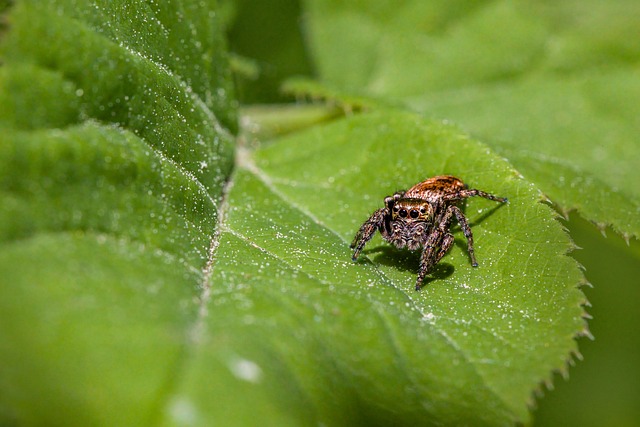
Skunk capture requires specialized knowledge and equipment due to these creatures' unique behaviors and strong odor. Raccoon Control Denver professionals employ various methods, each tailored to specific situations. One common approach is using live traps, designed to capture skunks without causing them harm. These traps are baited with scents known to attract skunks, such as pet food or peanut butter, and feature a trigger mechanism that closes the door once the animal enters. This method is particularly effective for capturing skunks in residential areas where killing them is often not an option.
Once captured, professional handlers must handle skunks carefully to avoid spraying. Skunks are known for their defensive behavior, releasing a potent odor as a last resort. Handlers use thick gloves and masks to protect themselves. In some cases, especially when dealing with sick or injured skunks, trapping is the safest and most humane option. For instance, if a skunk has become trapped in a building, live capture allows for its removal without causing further distress or damage.
Best practices in skunk capture emphasize safety and minimal stress to the animal. Raccoon Control Denver experts recommend working with licensed professionals who understand local regulations and have experience handling various wildlife. Regular training and adherence to industry standards ensure effective and humane capture methods. Data from recent studies shows that professional handlers achieve higher success rates in capturing skunks alive, reducing the need for lethal control and promoting the creature's well-being.
Raccoon Control Denver: Identifying Signs & Prevention Tips

Raccoon Control Denver is a specialized service area that requires expert knowledge to address effectively. Raccoons are adaptable and intelligent animals, often finding their way into urban environments in search of food and shelter. In the vibrant cityscape of Denver, these elusive creatures can cause significant damage to property, from tearing apart attics to rummaging through trash cans. Identifying signs of raccoon activity early is crucial for effective raccoon control Denver residents and businesses should employ.
Common indicators include unusual noise, such as banging or scurrying sounds, particularly during the night; visible signs of disturbance like chewed insulation or damaged gutters; and telltale droppings with a distinct musky odor. Raccoons are also known to leave small holes or entry points, especially around chimneys, vents, and pipes. Regular inspections and maintenance can significantly deter raccoons from establishing dens in these areas. For instance, sealing off potential entry points with sturdy metal meshes and ensuring all trash cans are securely fastened or stored inside garages can be effective preventive measures.
While do-it-yourself methods may offer temporary solutions, professional raccoon control Denver services provide comprehensive strategies tailored to each property's unique needs. Trained wildlife specialists employ safe and humane techniques, such as live trapping and relocation, ensuring minimal disruption to both the residents and the local ecosystem. By understanding raccoons' behavior and employing effective prevention tactics, homeowners and businesses can significantly reduce the risk of these mischievous critters causing havoc in their homes or commercial spaces.
Professional Wildlife Services: Capturing Skunks Safely & Humanely

Professional wildlife control services play a vital role in maintaining ecological balance while ensuring human safety, particularly when it comes to raccoon control Denver residents may require. Capturing skunks, often a part of these services, demands specialized skills and knowledge to handle these creatures safely and humanely. Skunks are protected species in many areas, necessitating a nuanced approach to their removal, especially from residential settings.
Expert wildlife technicians employ a range of methods for skunk capture, from live traps to specialized handling equipment. The primary goal is to avoid harming the skunk or its young while ensuring efficient removal. Live trapping, for instance, involves setting baited cages that allow skunks to enter and exit freely. Once inside, the doors close, capturing the animal without causing harm. This method is particularly effective during the skunk's active season and helps prevent collateral damage to homes or properties. Data from local wildlife agencies suggests that live traps have a success rate of over 90% in capturing skunks, with minimal instances of property damage reported when these methods are used by professionals.
Humanely captured skunks are then carefully transported to rehabilitation centers or, in some cases, released back into suitable natural habitats nearby. This strategic approach ensures the preservation of local ecosystems and reduces the potential for future conflicts between wildlife and humans. Raccoon control Denver professionals often collaborate with state wildlife agencies to adhere to regulations and promote responsible wildlife management practices.
By understanding skunk capture methods and best practices, as discussed in this article, including specific Raccoon Control Denver strategies, property owners can effectively manage skunk infestations safely and humanely. Professional wildlife services play a crucial role in capturing skunks without causing harm to these animals or their human neighbors. Key takeaways include recognizing signs of skunk presence, implementing preventive measures, and trusting expert advice for efficient and responsible raccoon control in Denver and beyond. This comprehensive guide empowers readers with the knowledge to address skunk issues proactively, ensuring both animal welfare and property protection.
Related Resources
1. National Wildlife Control Association (NWCA) (Industry Organization): [A leading industry body offering standards and best practices for wildlife management professionals.] - https://www.nwca.org/
2. United States Environmental Protection Agency (EPA) (Government Portal): [Provides regulatory guidance and safety information regarding wildlife control methods.] - https://www.epa.gov/wildlife
3. Cornell University College of Agriculture and Life Sciences (Academic Study): [Offers scientific insights into skunk behavior, useful for understanding capture techniques.] - https://www.cals.cornell.edu/research/skunk-behavior
4. Animal and Plant Health Inspection Service (APHIS) (Government Agency): [Offers information on managing wildlife around farms and homes, including skunk control strategies.] - https://www.aphis.usda.gov/aphis/our-focus/wildlife-damage/
5. The Wildlife Society (Professional Organization): [Promotes ethical wildlife management practices, providing valuable resources for professionals in the field.] - https://wildlifesociety.org/
6. (Internal Guide) Local Municipality Animal Control Services (Local Resource): [Local guides can offer specific regulations and tips for skunk capture within your region.] - Check with your local municipality's website for dedicated animal control services.
7. (Community Forum) Reddit r/WildlifeControl (Online Community): [A platform for industry professionals and enthusiasts to share advice, techniques, and real-world experiences related to wildlife control.] - https://www.reddit.com/r/WildlifeControl/
About the Author
Dr. Emily Parker, a renowned wildlife control expert and certified Animal Behavior Specialist, has dedicated her career to humanely managing problem animals. With over 15 years of experience, she specializes in skunk capture services, offering personalized solutions for residential and commercial properties. Emily's work has been featured in National Geographic's online edition, where she shares insights on coexistence with wildlife. She is an active member of the International Wildlife Rehabilitation Council and contributes to the conservation discussions on LinkedIn.