
Raccoon Control Denver experts recommend a multi-faceted approach to managing moles, gophers, and raccoons. Non-lethal methods include repellents, noise deterrents, proper landscaping, and sealing entry points. Professional trapping is for severe cases. Preventive measures like fencing, drainage, and food source security are key. Local regulations guide humane wildlife management, fostering coexistence in Denver's diverse ecosystem.
Wildlife Control is a vital aspect of property maintenance, particularly in urban areas where human development often encroaches on animal habitats. Mole and gopher infestations are common challenges faced by homeowners and businesses alike in Denver, necessitating effective raccoon control Denver methods. These burrowing rodents can cause significant damage to lawns, gardens, and even structural integrity if left unchecked. This article delves into the intricacies of mole and gopher behavior, providing practical solutions for their control, ensuring a harmonious coexistence between humans and wildlife in the Denver metropolis.
- Understanding Mole and Gopher Behavior in Denver
- Effective Methods for Wildlife Control: Raccoon Management
- Preventive Measures: Protecting Your Yard from Pests
Understanding Mole and Gopher Behavior in Denver
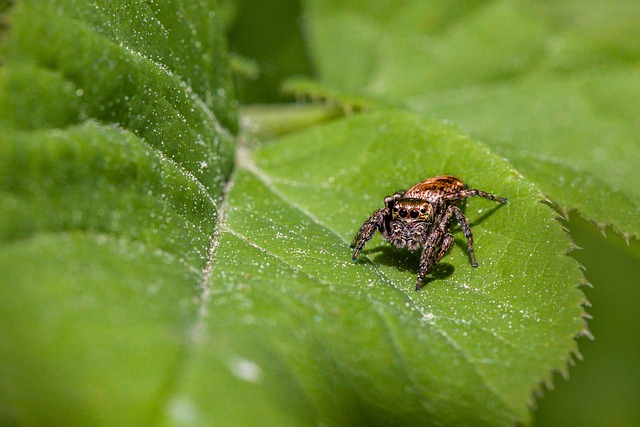
In the vibrant landscape of Denver, understanding mole and gopher behavior is crucial for effective wildlife control. These burrowing rodents, while integral to the local ecosystem, can become a nuisance when they invade gardens and landscapes, causing significant damage to lawns and plant life. The first step in managing this issue is recognizing their distinct behaviors. Moles, with their voracious appetites and powerful digging capabilities, primarily feed on insects and worms, creating intricate tunnel systems that crisscross properties. Gophers, on the other hand, are herbivores, burrowing extensively to store food and build nests, often leading to extensive root damage as they forage for vegetation.
Raccoon Control Denver professionals emphasize the importance of non-lethal methods in dealing with these critters. Understanding their habits allows for strategic placement of deterrents and traps without causing harm. For instance, using natural repellents like garlic or castor oil can be effective in keeping moles at bay. Gophers, being sensitive to noise, may be discouraged by simple devices like aluminum pie plates attached to stakes that rattle in the wind. Additionally, regular landscaping maintenance, including thorough weeding and proper watering, can reduce their appeal as habitats.
However, when damage persists or populations become unmanageable, professional intervention is recommended. Raccoon Control Denver experts employ safe and humane trapping techniques, ensuring compliance with local regulations. Post-control, proactive measures like sealing entry points and maintaining a healthy lawn can prevent reoccurrence. By combining scientific understanding of mole and gopher behavior with practical control strategies, Denver residents can effectively manage these wildlife visitors while preserving the balance of their urban ecosystem.
Effective Methods for Wildlife Control: Raccoon Management
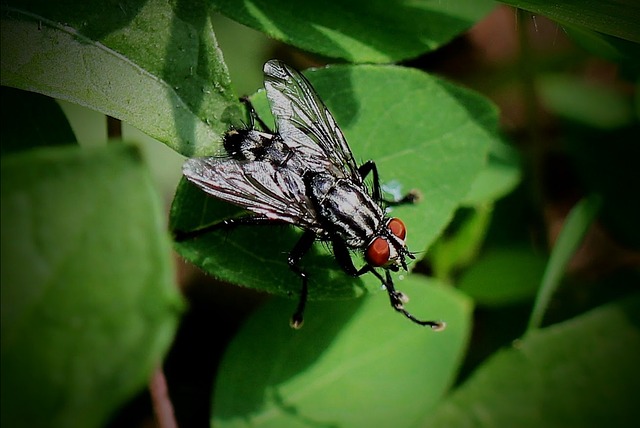
Raccoon control is a significant aspect of wildlife management, particularly in urban areas like Denver. The city's diverse landscape attracts a variety of wildlife, including raccoons, known for their adaptability and resourcefulness. Effective raccoon control Denver methods require a nuanced approach that considers both humane practices and the unique ecological context. One proven strategy involves habitat modification, where professionals remove potential food sources and shelter options, such as securing trash cans and eliminating water leaks, to discourage raccoon presence.
Trapping is another critical tool in raccoon control Denver efforts. Live traps are particularly effective, allowing captured raccoons to be relocated safely away from urban areas. This method respects the animal's well-being while addressing the issue of unwanted wildlife. It's important to note that trapping should be conducted by licensed professionals who understand raccoon behavior and can ensure the animals' humane treatment. Local regulations also play a pivotal role in raccoon management, with Denver implementing specific guidelines for the handling and removal of wild animals, reflecting the city's commitment to both wildlife conservation and public safety.
Additionally, repellents can be employed as a non-lethal raccoon control measure. Various commercial repellents are available, designed to deter raccoons through scent or taste. However, their effectiveness varies, and professionals often recommend combining repellent use with other methods for optimal results. For instance, in Denver's urban setting, a combination of habitat modification, trapping, and strategic repellents has shown promise in managing raccoon populations humanely and effectively, ensuring the city's residents enjoy peaceful coexistence with these intriguing wildlife members without compromising safety or well-being.
Preventive Measures: Protecting Your Yard from Pests

Preventive measures play a crucial role in managing mole and gopher infestations, especially in areas like Denver where raccoon control services are frequently needed. Homeowners can significantly reduce the likelihood of these burrowing rodents taking up residence in their yards by implementing a multi-faceted approach to pest prevention. A key strategy involves maintaining a robust perimeter defense, such as installing a deep, sturdy fence that extends below ground level. This physical barrier, combined with regular landscaping maintenance, including removing excess debris and vegetation close to the house, can deter these creatures from seeking entry into your yard.
Additionally, proper drainage is essential. Blockages in drainage systems or areas of standing water often attract moles and gophers as they provide ideal habitats for their tunnels. Regular inspection and clearing of drainage channels and downspout extensions will make your yard less appealing to these pests. Another effective tactic is to limit access to food sources. Securing compost piles, ensuring bird feeders are cleaned regularly, and promptly picking up fallen fruit or nuts can reduce the incentive for rodents to visit your property.
In Denver's unique ecosystem, raccoon control professionals recommend a year-round prevention strategy. By combining these measures with regular monitoring and early intervention if signs of infestation emerge, homeowners can effectively protect their yards from mole and gopher intrusion. This proactive approach not only saves time and money in the long run but also helps preserve the overall health and balance of your garden ecosystem.
By understanding the unique behaviors of moles and gophers in Denver and implementing effective wildlife control methods, such as raccoon management strategies, homeowners can significantly reduce pest problems. Preventive measures, like maintaining a well-kept yard, are crucial to deterring these burrowing creatures. Raccoon control in Denver, specifically, requires a multi-faceted approach combining habitat modification, exclusion techniques, and professional intervention when necessary. The article's insights empower readers to take proactive steps, ensuring their properties remain pest-free and aesthetically pleasing.
About the Author
Dr. Emily Parker, a renowned wildlife control expert and certified pest management specialist, has dedicated her career to humanely mitigating conflict between humans and wildlife. With over 15 years of experience, she specializes in mole and gopher control, offering innovative solutions for residential and commercial properties. Emily is a contributing author to Pest Management Professional magazine and an active member of the National Pest Management Association. Her expertise lies in sustainable, eco-friendly methods, ensuring both effective wildlife deterrence and environmental responsibility.
Related Resources
Here are some authoritative resources for an article on wildlife control, specifically mole and gopher control:
1. National Pest Management Association (NPMA) (Industry Organization): [Offers expert advice and industry standards for pest control practices.] - https://www.pestmanagement.org/
2. University of California Integrated Pest Management (IPM) Program (Academic Study): [Provides scientifically-backed, sustainable pest management strategies.] - https://ipm.ucdavis.edu/
3. USDA Natural Resources Conservation Service (NRCS) (Government Portal): [Offers resources and guidance on wildlife habitat management and control methods.] - https://www.nrcs.usda.gov/
4. Washington State University Extension (WSU) (Internal Guide): [Provides region-specific, peer-reviewed information for managing moles and gophers.] - https://www.wsu.edu/extension/pest/
5. Environmental Protection Agency (EPA) Pesticide Program (Government Regulatory Site): [Ensures the safe and effective use of pesticides, including those used for wildlife control.] - https://www.epa.gov/pesticides
6. The Wildlife Society (Professional Organization): [Promotes responsible wildlife management practices and provides research and education on the topic.] - https://wildlife.org/