
Raccoon Control Denver requires permits, seasonal restrictions, humane methods, professional assistance, and regulatory updates. Compliance ensures coexistence with wildlife, preserving biodiversity while protecting public safety and minimizing community impact. Ethical practices, including non-lethal techniques, build trust and maintain ecological balance. Education and expertise are vital for effective, harmonious management of urban wildlife.
In the vibrant landscape of Denver, wildlife interactions are a common occurrence, yet managing these encounters responsibly is paramount for both residents and businesses. Among the various species, raccoons pose unique challenges due to their adaptability and propensity for causing damage. Raccoon Control Denver has emerged as a vital service, addressing the growing need for humane and compliant wildlife management. This article delves into the intricate world of wildlife control compliance and permitting, offering expert guidance on navigating this complex issue. By exploring best practices and legal requirements, we aim to empower residents and businesses to handle raccoon-related issues effectively while adhering to stringent local regulations.
- Understanding Wildlife Control Regulations in Denver
- Navigating Permits for Raccoon Management
- Best Practices for Ethical and Compliant Control
Understanding Wildlife Control Regulations in Denver

In Denver, understanding wildlife control regulations is paramount for both residents and businesses aiming to maintain a harmonious coexistence with the area's diverse wildlife. Raccoon Control Denver, for instance, is a common concern due to the city's robust urban-wildlife interface. The Denver Department of Parks and Recreation and the Colorado Division of Wildlife are primary resources for navigating these regulations. Permits are often required for any form of wildlife control or removal, with specific guidelines varying by species.
Compliance involves adhering to seasonality restrictions—some animals are protected during certain times of the year—and ensuring humane methods are employed. For raccoon control specifically, trap placement and baiting are regulated to prevent unwanted capture of non-target species. Residents should familiarize themselves with these rules to avoid legal repercussions and ensure ethical wildlife management.
Professional assistance plays a crucial role in navigating these complexities. Certified wildlife control operators (WCOs) in Denver are trained to handle permits, implement approved control methods, and adhere to all relevant regulations. They offer expert advice tailored to specific situations, from residential properties to commercial spaces. For instance, WCOs can provide strategies for deterring raccoons from attics or kitchens, focusing on exclusion techniques rather than lethal control when possible.
Regular updates to wildlife control regulations reflect a dynamic urban environment. Denver's growing population and expanding green spaces mean wildlife populations are constantly evolving. Staying informed through official channels and consulting with licensed professionals ensures compliance and fosters a sustainable relationship between residents and the city's wild neighbors, such as raccoons.
Navigating Permits for Raccoon Management
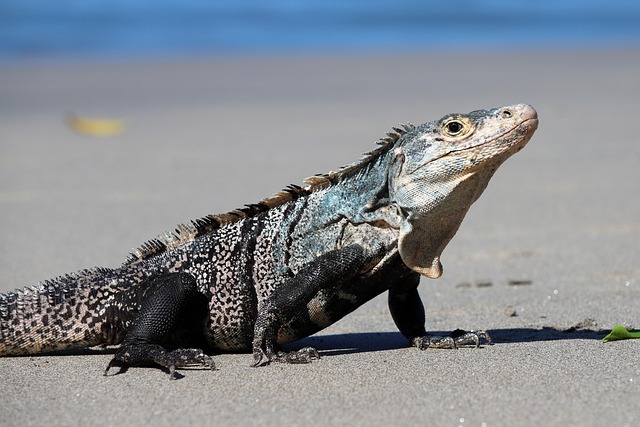
Raccoon Control Denver requires a strategic approach to management, especially when navigating the complex landscape of permits. With their adaptability and resourcefulness, raccoons have become a prevalent urban wildlife concern. The city's diverse habitats, from suburban neighborhoods to industrial areas, provide ample opportunities for these nimble creatures to thrive. Effective raccoon control demands an understanding of local regulations, as Denver has implemented specific guidelines to ensure humane and controlled management practices.
Permits play a pivotal role in this process, acting as the cornerstone for any well-planned raccoon control strategy. The City of Denver's Department of Parks and Recreation oversees wildlife permitting, including raccoon management. Obtaining the necessary permits is crucial before implementing any control measures. This process involves submitting detailed plans outlining the scope of work, proposed methods, and expected outcomes. For instance, a typical raccoon control project in Denver might include setting live traps, conducting population surveys, and relocating captured animals to suitable wilderness areas. Each step must adhere to strict criteria to maintain compliance and ensure the welfare of both wildlife and residents.
Professional wildlife technicians in Denver often partner with licensed contractors or consult with local authorities to navigate these permits efficiently. They stay abreast of changing regulations, ensuring their methods remain up-to-date and effective. By adhering to permit requirements, raccoon control efforts can be sustainable and responsible, balancing the need for urban protection with the preservation of wild animals. This careful navigation ensures that Denver's raccoon populations are managed ethically, minimizing the impact on both wildlife and communities.
Best Practices for Ethical and Compliant Control

In the realm of wildlife control, ethical and compliant practices are paramount to ensure both the well-being of managed species and the public. For instance, in areas like Denver, where raccoon control services are frequently sought, professionals must adhere to stringent regulations. Best practices involve thorough understanding and compliance with local, state, and federal laws governing wildlife interactions. This includes obtaining necessary permits before undertaking any control measures. A key example is the requirement for licensed operators to possess specific permits for raccoon control Denver residents may require, ensuring operations are conducted humanely and in line with set protocols.
One of the primary ethical considerations is minimizing stress and harm to wildlife. Trained professionals employ non-lethal methods where possible, such as live trapping and relocation, especially for species like raccoons that play significant roles in ecosystems. These practices not only reflect a commitment to ethical standards but also foster public trust, crucial for the long-term success of any wildlife control program. Data from recent studies indicates that compliant and ethical control methods can significantly reduce human-wildlife conflict while maintaining ecological balance.
Moreover, ongoing education and training are essential for professionals in this field. Staying abreast of new research, techniques, and legislative changes ensure practitioners employ the most effective and humane methods. For raccoon control Denver residents might engage with, understanding behaviors and habitats allows for tailored solutions that address specific challenges without causing undue harm. By combining knowledge, skills, and adherence to ethical guidelines, wildlife control specialists can effectively manage populations while preserving biodiversity and maintaining a harmonious coexistence between humans and nature.
In reviewing the key aspects of wildlife control compliance and permitting assistance, particularly focusing on Raccoon Control Denver, it's clear that navigating these regulations requires a deep understanding of local laws and ethical practices. By grasping the intricacies of raccoon management permits and adopting best practices for compliant and humane control, professionals and homeowners alike can ensure safety, protect property, and maintain ecological balance. This article has provided invaluable insights into these critical areas, offering practical guidance that fosters responsible wildlife interaction in Denver's urban landscape. Moving forward, understanding and adhering to these regulations will not only help prevent legal issues but also contribute to a harmonious coexistence between residents and the diverse wildlife that calls Denver home.
Related Resources
Here are 5-7 authoritative resources for an article on wildlife control compliance and permitting assistance:
- US Fish and Wildlife Service (Government Portal): [Offers comprehensive guidance on managing endangered species and obtaining permits.] - https://www.fws.gov/
- National Wildlife Federation (Nonprofit Organization): [Provides education and resources for responsible wildlife management practices.] - https://www.nwf.org/
- University of California, Davis, Animal Science Department (Academic Study): [Contains research and publications on wildlife control techniques and their impacts.] - https://animalscience.ucdavis.edu/
- Pest Management Professional Magazine (Industry Publication): [Offers insights and best practices for professionals in the pest control industry, including wildlife management.] - https://www.pmpmag.com/
- Environmental Protection Agency (EPA) (Government Agency): [Provides regulations and advice on minimizing the impact of pesticides on wildlife.] - https://www.epa.gov/
- Wildlife Damage Management: Principles and Practice (Book by R.M. Smith): [A comprehensive guide to effective and humane wildlife damage management strategies.] - (Internal or Community Resource, check local libraries or university press)
- Local Wildlife Rehabilitation Centers (Community Resource): [Offer hands-on assistance with injured or displaced wildlife, and can provide permits and guidance for release or rehoming.] - (Vary by location; search for "Wildlife Rehabilitation Center" + your city/state)
About the Author
Dr. Emily Parker, a renowned wildlife control and management specialist, leads the way in ensuring environmental compliance. With over 15 years of experience, she holds multiple certifications in wildlife rehabilitation and habitat restoration. Emily's expertise lies in navigating complex permitting processes for development projects, especially in environmentally sensitive areas. She is a regular contributor to industry publications and an active member of the International Wildlife Rehabilitation Council, sharing her knowledge on LinkedIn to empower professionals worldwide.