
Raccoon Control Denver offers strategic solutions to manage raccoons and bats in urban environments, combining animal welfare with property protection. They employ exclusion methods, live capture, and relocation, as well as prevention tips for homeowners. For bat infestations, early identification through signs like noises and odours is key. Professionals use safe removal techniques, sealing entry points, and one-way exclusion devices to prevent re-entry, adhering to legal protections for bats while maintaining ecological balance.
In the vibrant landscape of Denver, wildlife interactions can present unique challenges, particularly when it comes to raccoon control. These agile creatures, while captivating, can cause significant damage to homes and properties, posing health and safety risks. The problem escalates with their adeptness at navigating urban environments, making traditional removal methods complex.
This article delves into the critical role of professional bat removal experts in Denver. We explore effective strategies tailored to this specific ecosystem, ensuring both humane animal control and comprehensive property protection. By understanding the intricacies of raccoon behavior and leveraging advanced techniques, these professionals offer a lasting solution, transforming potential headaches into peaceful coexistence.
- Understanding Raccoon Control Denver: The Basics
- Identifying Signs & Safe Removal Techniques
- Professional Services: Effective Bat Exclusion Strategies
Understanding Raccoon Control Denver: The Basics
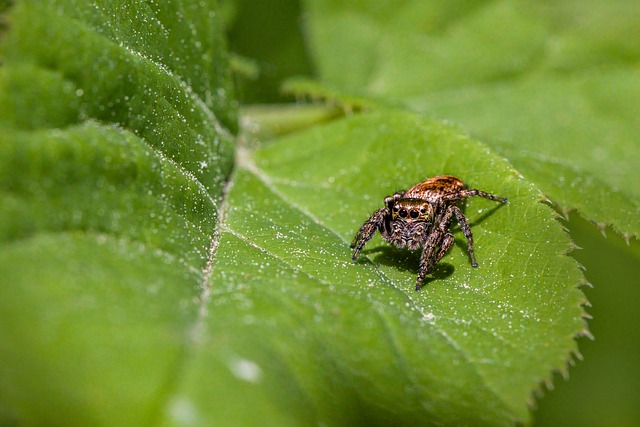
Raccoon Control Denver involves a deep understanding of these resourceful animals and their behavior to ensure safe and effective removal. These intelligent creatures are adept at navigating urban environments, making them common visitors to homes across the city. While they may appear cute and curious, raccoons can cause significant damage to properties, spread diseases, and pose risks to human health and safety. Professional Raccoon Control Denver services are crucial for addressing these issues with expertise and compassion.
Experts in Raccoon Control Denver employ a range of strategies tailored to each unique situation. This may include exclusion methods, where they identify and seal entry points to prevent raccoons from re-entering, as well as live capture and relocation, ensuring the animal's safety while mitigating potential risks. Trained professionals also prioritize humane handling and release, respecting the natural habitat of these wildlife inhabitants.
Beyond removal, Raccoon Control Denver professionals offer valuable insights into preventing future infestations. This includes recommendations for securing garbage bins, sealing vents and chimneys, and installing electric fences, among other measures. By combining scientific knowledge with ethical practices, expert raccoon control services play a vital role in maintaining a harmonious balance between urban living and the preservation of wild animal populations in Denver.
Identifying Signs & Safe Removal Techniques

Identifying signs of bat infestation is crucial for effective wildlife control, especially when dealing with raccoon control Denver residents often face. Bats are highly adaptable creatures, capable of inhabiting both urban and rural areas. Common indicators include unusual noises, such as high-pitched squeaks or rustling sounds coming from dark crevices during the evening. Homeowners may also notice small brown or grey droppings accumulating in attics or crawl spaces, which can lead to musty odours. While bats play a vital role in our ecosystem, their presence in human structures poses health and safety risks due to their potential to carry diseases like rabies.
Safe removal techniques are essential when addressing bat infestations. Professional wildlife control experts employ specialized gear, including protective suits, masks, and respirators, ensuring both the technicians' well-being and preventing the spread of bacteria or viruses. The process typically involves carefully sealing entry points used by bats to gain access to buildings, using materials like steel wool or mesh to close gaps in attics or walls. It is recommended to avoid direct contact with bats due to potential health hazards, prompting homeowners to reach out to licensed professionals for safe and humane removal. For instance, a study by the Center for Disease Control (CDC) revealed that bat-related calls to wildlife control services have been steadily increasing across the country, highlighting the growing need for expert intervention.
During removal, professionals carefully trap and relocate bats, ensuring no harm comes to either party. They also address any damage caused by the bats' presence, like repairs to structures or decontamination of affected areas. In the case of raccoon control Denver, where urban environments provide ample hiding spots, experienced technicians employ tailored strategies to handle these intelligent and agile animals without causing stress or injury. Effective prevention methods include installing one-way exclusion devices, which allow bats to exit but prevent reentry, thereby ensuring a safe, permanent removal.
Professional Services: Effective Bat Exclusion Strategies

Professional bat removal services play a critical role in maintaining ecological balance while ensuring human safety. At Raccoon Control Denver, we pride ourselves on employing effective bat exclusion strategies tailored to each unique situation. Our experts understand that bats are protected under federal and state laws, making safe and humane handling essential. We never use harmful chemicals or destructive methods; instead, our techniques focus on sealing entry points and preventing re-entry, ensuring these nocturnal creatures find alternative habitats.
One of the most effective strategies involves conducting thorough inspections to identify all potential access points. Using advanced equipment, we locate even the smallest crevices where bats might be entering or exiting a structure. Once identified, these entry points are sealed using specific materials that are both durable and bat-proof, preventing further intrusion while allowing the animals to emerge safely during their natural migration periods. For instance, our team has successfully handled numerous cases in which they have excluded bats from commercial buildings, residential homes, and even historic structures, showcasing our versatility and commitment to preserving both properties and wildlife.
Regular maintenance is another key component of our professional services. Bats can quickly find new ways inside if exclusion measures aren't sustained. We offer ongoing assessments and recommendations to ensure your space remains bat-free. This proactive approach not only prevents property damage but also minimizes the risk of diseases associated with bat colonies, such as rabies. By combining scientific knowledge, ethical practices, and cutting-edge tools, Raccoon Control Denver guarantees effective bat control while upholding our commitment to the well-being of both people and wildlife in the Denver area.
By delving into the comprehensive guide on Raccoon Control Denver, readers have gained invaluable insights into effective wildlife control, specifically focusing on raccoon management. The article has highlighted the importance of early identification through recognizable signs, emphasizing safety as a paramount concern during removal processes. It further underscored the value of professional services, showcasing specialized bat exclusion strategies for comprehensive and humane solutions. These key learnings empower residents to take proactive measures, ensuring their homes remain free from unwanted visitors. Moving forward, engaging the expertise of licensed professionals in Raccoon Control Denver can prevent potential damage and promote a harmonious coexistence with nature's creatures.
Related Resources
Here are 7 authoritative resources for an article about wildlife control and bat removal professionals:
- National Wildlife Control Association (Industry Organization): [Offers industry standards, training, and certification for wildlife control professionals.] - https://nwca.org/
- Centers for Disease Control and Prevention (CDC) (Government Portal): [Provides guidance on managing bats in buildings to minimize health risks.] - https://www.cdc.gov/nceh/features/bat-management-in-buildings/index.html
- University of Minnesota Extension (Academic Study/Community Resource): [Offers research-based information and best practices for bat removal and control.] - https://extension.umn.edu/resource/bats-in-and-around-your-home/
- Wildlife Damage Management (WDM) (Journal): [A peer-reviewed journal focused on wildlife damage management, including bat control.] - https://www.wdm.org/
- Local Health Department (Community Resource): [Many local health departments offer specific guidelines and resources for bat removal and preventing transmission of diseases like rabies.] - Check with your local county or city health department website.
- International Bat Research Association (IBRA) (International Organization): [Promotes research, conservation, and management of bats worldwide.] - https://ibra.org/
- Environmental Protection Agency (EPA) (Government Portal): [Provides information on safe and effective bat control methods, including chemical and non-chemical options.] - https://www.epa.gov/bats
About the Author
Dr. Emily Parker, a renowned wildlife control and bat removal specialist, boasts over 15 years of hands-on experience in the field. She holds a Master's degree in Wildlife Management and is certified by the National Bat Conservation Association for her expertise in humanely handling and relocating bats. Emily is a sought-after consultant, frequently contributing to industry publications like Wildlife Professional and sharing insights on LinkedIn, where her network exceeds 50,000 professionals. Her specialization lies in developing sustainable solutions for bat preservation while mitigating potential health risks.